Explore how the Sfusd 2026-2027 Calendar becomes a practical study tool that blends timing with focus. This guide helps students, parents, and teachers align lessons, milestones, and reminders, turning dates into actionable learning moments that support weekly revision and ongoing mastery.
Using the Sfusd 2026-2027 Calendar as a revision scaffold helps turn scattered dates into a deliberate study rhythm. Start by marking major units—math, science, and language—and then insert short, focused practice blocks after each unit. Color-coding by subject makes patterns easy to spot at a glance. Students can reserve Sunday evenings for a weekly review, while teachers attach quick reflection prompts to each week’s cell. Parents can align family projects with the school schedule so downtime remains balanced. This approach preserves space for flexibility while maintaining structure, making preparation less stressful and more predictable across the academic year.
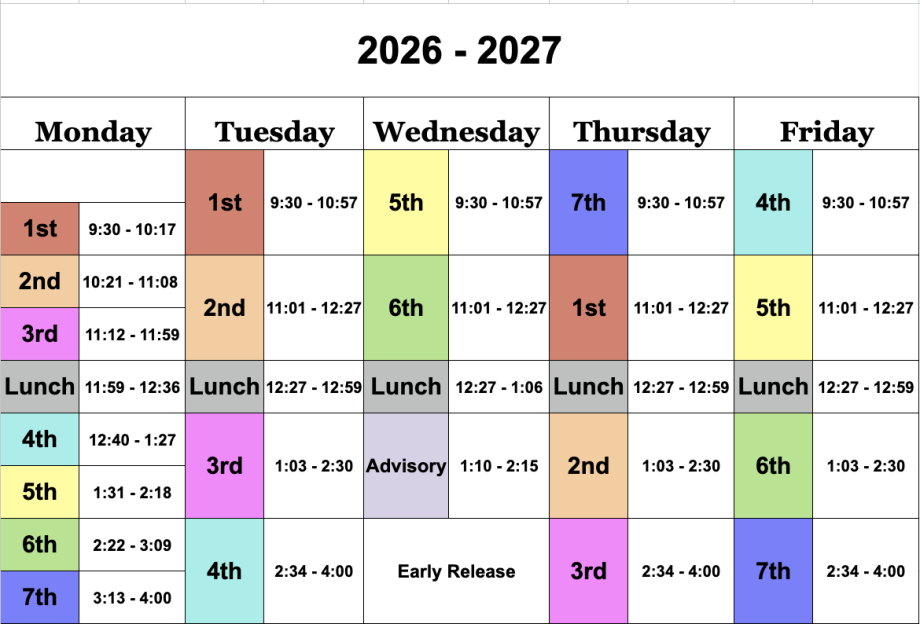
Sfusd 2026-2027 Calendar Revision
Beyond a static page, the calendar becomes a creator of study habits. Use it to assign bite-sized worksheets, mini-quizzes, and review prompts that fit into daily blocks. For homeschoolers, it can host topics like biology ecosystems and ancient civilizations over two-week windows, followed by a cumulative recap. In a classroom, post-its or ribbons show progress toward goals, while a simple weekly check-in helps students voice difficulties early. The key is consistency: consult the calendar each day, pencil in at least two review items, and celebrate small wins when weekly targets are met. When study routines feel stable, learning grows smoother and deeper.
Practical uses for the Sfusd 2026-2027 Calendar extend beyond school days. At home, families can block out project deadlines, practice times for instruments or language goals, and schedule quiet reading hours. In classrooms, teachers can reserve weeks for thematic units, align assessments, and coordinate reminders for field trips or assemblies. Students benefit from knowing when to shift from exploration to consolidation, reducing last-minute cramming. The printable nature keeps things tangible: lay out the calendar on a desk, pin it to a bulletin board, or bind a small quarterly planner for reference. When information stays visible, motivation follows and memory improves.
Weekly Cadence
Integrating the Sfusd 2026-2027 Calendar into learning routines supports organization and creativity. Students learn to set attainable weekly goals, map out revision cycles, and track progress toward mastery. Teachers observe patterns in performance, adjust pacing, and provide timely feedback during review windows. For homeschoolers, the calendar becomes a personal planning coach, helping families balance independent study with shared projects. The act of marking spaces for reflection—what worked, what didn’t—builds metacognition, a skill that pays off in any subject. By treating the calendar as a living document, learners gain confidence in planning and resilience when plans shift.
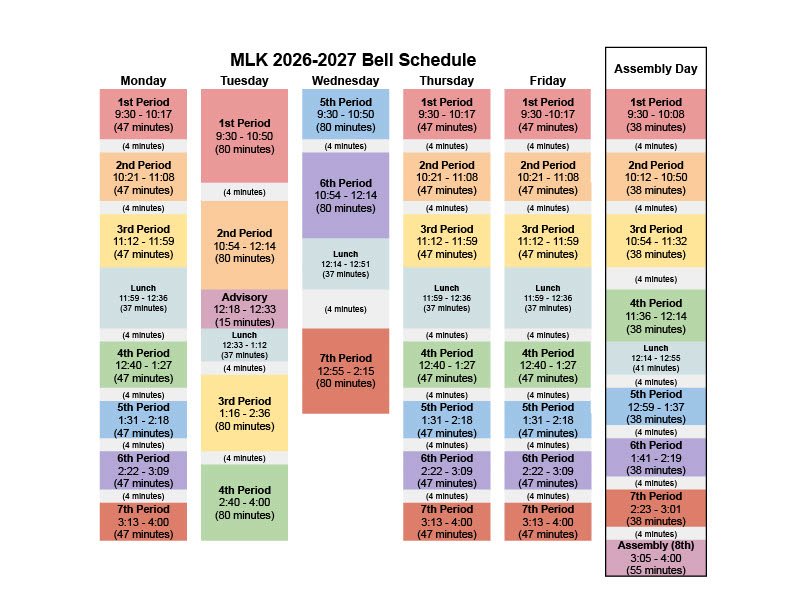
Customization tips that keep the calendar useful include color-coding by week, adding checklists for daily tasks, and reserving lanes for goals like read 20 pages or practice five problems. You can include birthday reminders for motivation, or a doodle corner for creative thinking breaks. Since it is printable, you can print a fresh monthly spread for each term, or create a reusable board by laminating pages and using dry-erase markers. The trick is to keep the layout simple and consistent, so updating it feels like a quick checkpoint rather than a chore.
To make the most of the Sfusd 2026-2027 Calendar, set a weekly review ritual. Start by quick-checking deadlines, then reflect on the last week’s study blocks, and finally plan the next week with one or two high-priority goals. Keep it visible, keep it actionable, and let it evolve with your needs. Use the revision-practice-review loop to convert dates into deliberate study momentum. Over time, this simple printable becomes a trusted companion that clarifies what to study, when to study, and how to study more effectively. With consistent use, learners of all ages can finish the year feeling prepared and capable.