Think of the Disney Crowd Calendar 2027 as a printable study aid you can annotate, review, and use independently. It helps learners map crowded days and plan around busy times, turning travel into a repeatable practice. Use it to build confidence and independence in planning.
Disney Crowd Calendar 2027 is a curated bundle of printable planning sheets designed to support independent learners and organized families. It serves as a practical reference rather than a single forecast, inviting you to compare dates, note local events, and forecast crowds by season. Teachers, homeschoolers, and trip planners benefit by turning the calendar into a pivot point for research and memory drills. Use it to create a weekly practice routine: predict busy days, test yourself next week, and then verify with real crowds during the trip window. The act of repeated checking reinforces memory and decision making.
Disney Crowd Calendar 2027
In everyday use, families print a small set of pages to seed weekly routines. Individuals color-code dates by predicted crowd levels, note why certain days look busy, and build a simple checklist to prepare for outings. Students can run a two-week planning sprint: pick a pair of days, forecast which is best for a park visit, and then compare outcomes after the trip. Homeschoolers can extend the calendar into math and geography tasks, counting days, charting patterns, and describing park layouts. The printable format keeps inputs tactile and memorable, encouraging steady practice rather than sporadic planning.
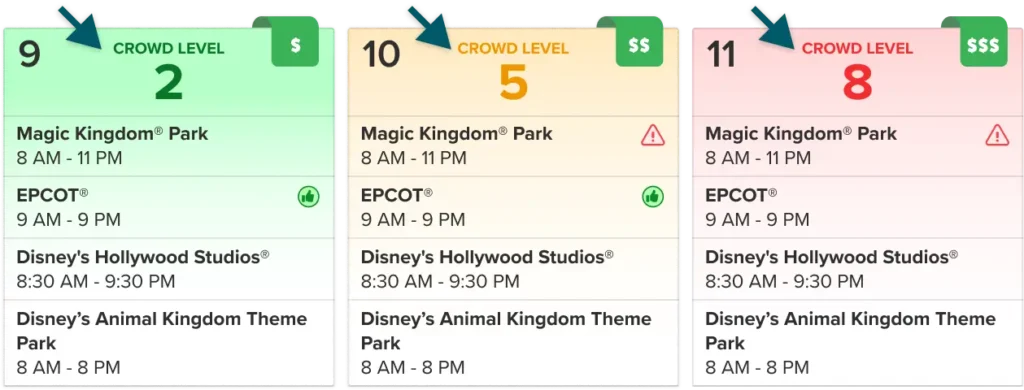
Beyond planning, the resource supports organization skills for learners of all ages. By turning the Disney Crowd Calendar 2027 into a classroom-friendly project, students practice data gathering, reading graphs, and summarizing findings in short notes. Homeschool families can extend the calendar into weekly math activities, tallying total crowd estimates and computing averages. Create a small display that tracks how often predictions align with actual experiences, which builds critical thinking and reflection. In short, it becomes a hands-on tool for practice while teaching efficient study habits that transfer to other subjects.
Study Rhythm
For independent learners, set a routine: select two pages each week, memorize one crowd-pattern rule, and test yourself on the top dates every Friday. Use this resource to rehearse memorization by explaining your reasoning aloud, then writing a brief note about why a given date looks favorable. The goal is consistent review, not perfection, and the cadence builds confidence in spotting trends. The printable calendar also serves as a portable study aid you can carry in a binder or student planner, making planning a daily habit rather than a one-off exercise.
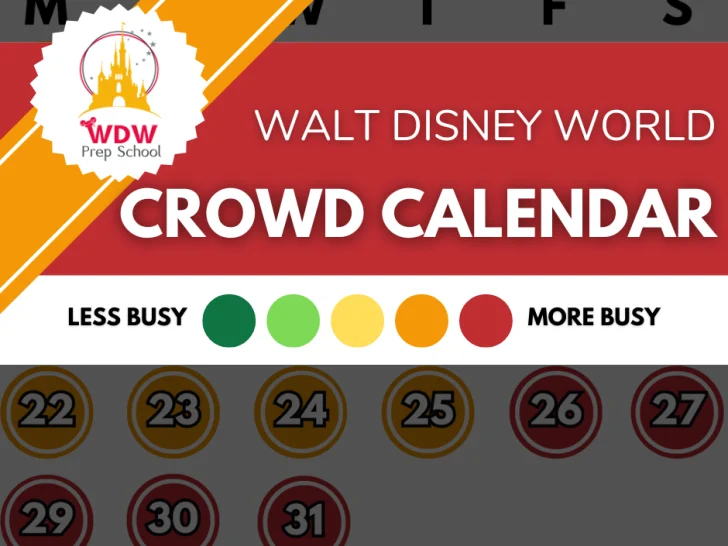
Teacher and parent workflows benefit from a simple, repeatable process: projected crowds become a data point; student explanations become evidence. Use the calendar to support output-focused assignments, like a short report on when to visit a park and why. It also lends itself to cross-curricular projects—math with averages, geography with park layouts, and language arts with journaling about experiences. Because the resource is printable, you can assemble a small classroom station with scissors, rulers, and colored pencils, making planning tangible rather than abstract.
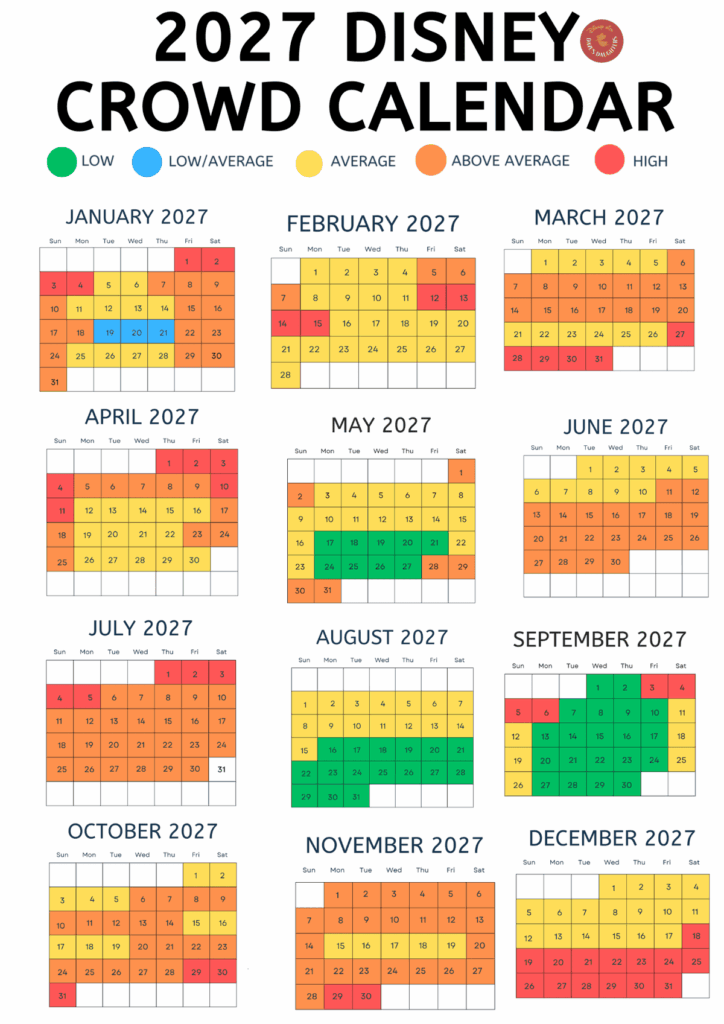
Treating this calendar as a study coach turns planning into a repeatable skill. Set tiny goals: master one crowd-avoidance rule each week, summarize two upcoming dates in your own words, and loop back after a trip to adjust your notes. The printable format supports quick reviews, independent study, and mindful preparation for family outings or field trips. With steady practice, you won't just know when to go—you'll understand why crowds shift and how to adapt, a habit that serves learners long after the Disney season ends. This habit travels beyond Disney, helping with any practical planning task you tackle.