Download the 2027 Payroll Calendar Biweekly and follow this simple setup to print a clean, ready-to-use planner. This guide explains what the file includes, who benefits, and how to tailor it to your payroll cycle. You will find practical tips for printing, annotation, and daily use that help you stay on top of every payday.
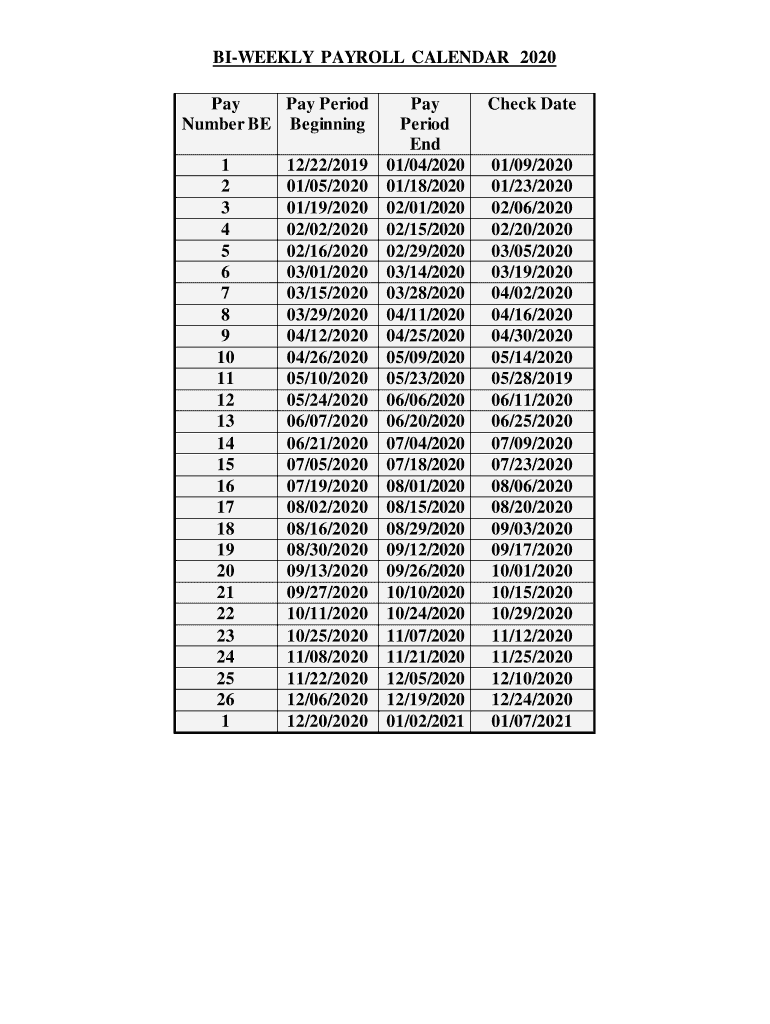
Think of this resource as a practical tool for people who manage money on a two week cadence. The calendar highlights the 2027 pay periods and leaves room for notes, holidays, and deadlines. It serves teams in small businesses, freelancers who budget regularly, and households that align bills to every paycheck. By using a printable format, you can print one master copy and duplicate it for family members. The biweekly structure makes it easy to compare earnings and expenses across weeks, so you can spot gaps or surpluses early. Keep a master copy in a shared folder and produce personal copies for team members. If you print in color, use light shading for weekends to save ink, or mark paydays with a bold border for quick reference. This simple layer of organization reduces back-and-forth and helps new hires learn the payroll rhythm quickly.
Who benefits
Payroll administrators can mark holiday payrolls, cutoffs, and overtime within the grid. Small business owners can use it to align payroll cycles with project timelines, while homeschooling parents might integrate it into math or economics lessons by calculating totals across two week blocks. Nonprofit groups and volunteer teams that run regular stipends can adapt the calendar to their cadence, and remote offices can keep everyone aligned with a single printout or a digital PDF kept on a common drive.
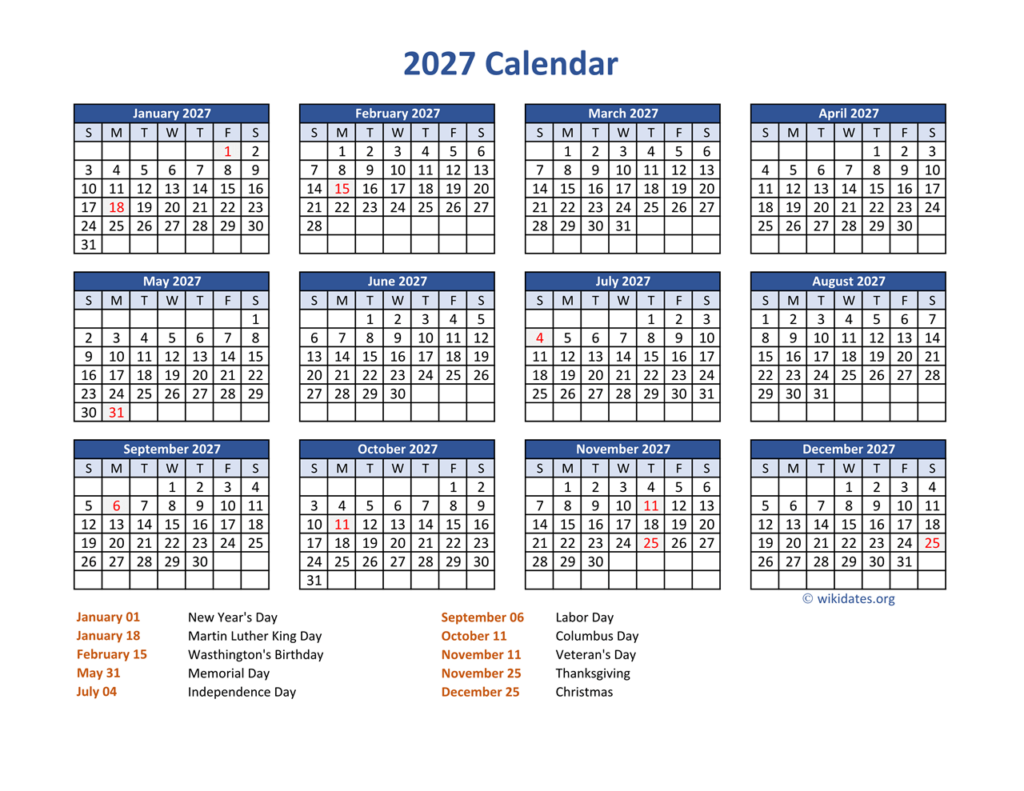
Practical uses include budgeting, bill scheduling, and tax planning. Teachers or parents can turn it into a budgeting lesson, using real pay dates to teach addition and subtraction. For home use, print multiple copies for different family members, paste them on a bulletin board, and track recurring payments. Additionally, use it to track quarterly tax estimates or to align payroll with project milestones.
Organization tips
Step by step: 1) download and print the calendar for 2027, 2) verify each pay date against your actual payroll schedule, 3) annotate holidays or pay adjustments in the notes area, 4) color-code weeks by income level or expense category, 5) bind or staple copies for easy sharing, 6) keep a copy in a planner or binder for ongoing reference, 7) review the calendar monthly and adjust for any changes, 8) store the master copy in a shared drive for easy access.
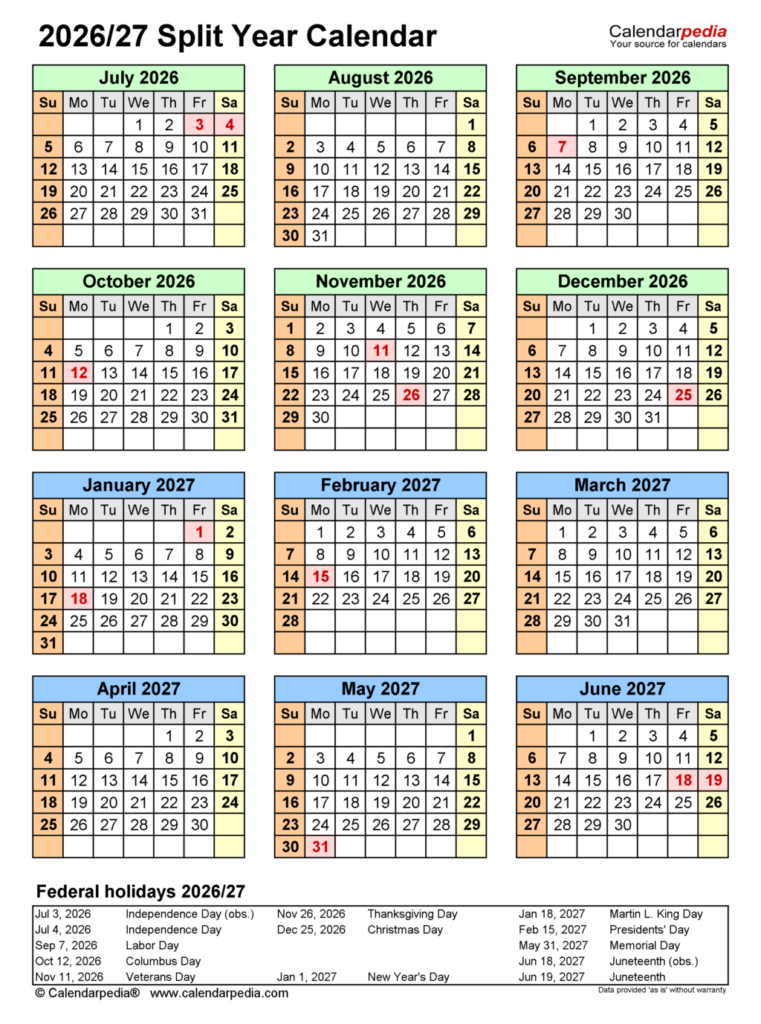
In a classroom or homeschool setting, use it to teach date calculations, calendars, and budgeting basics. Have students chart two pay periods per page and practice totals for different expense categories. Pair it with a worksheet that asks students to determine when bills are due relative to paydays. Use it with math problems; have students calculate weekly earnings from a defined amount, then compare what changes when pay dates shift. Create a sample family budget and have learners predict when bills come due and how much is left for savings.
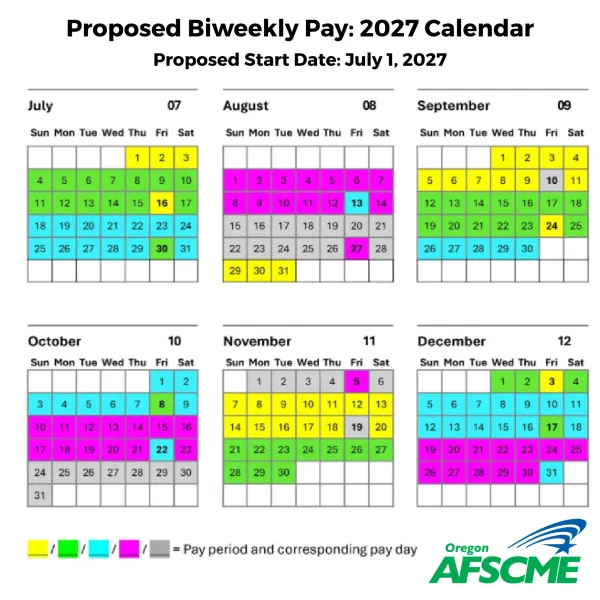
By starting with the 2027 Payroll Calendar Biweekly and following these steps, you gain a reusable, printable resource that keeps paydays, deadlines, and budgets aligned. Print a copy, personalize it, and keep it visible where decisions happen. The result is fewer missed due dates and smoother cash flow for individuals, families, and small teams. With a digital backup, you can move the calendar between devices and adapt it if policies change, ensuring it remains a reliable planning tool through 2027 and beyond.