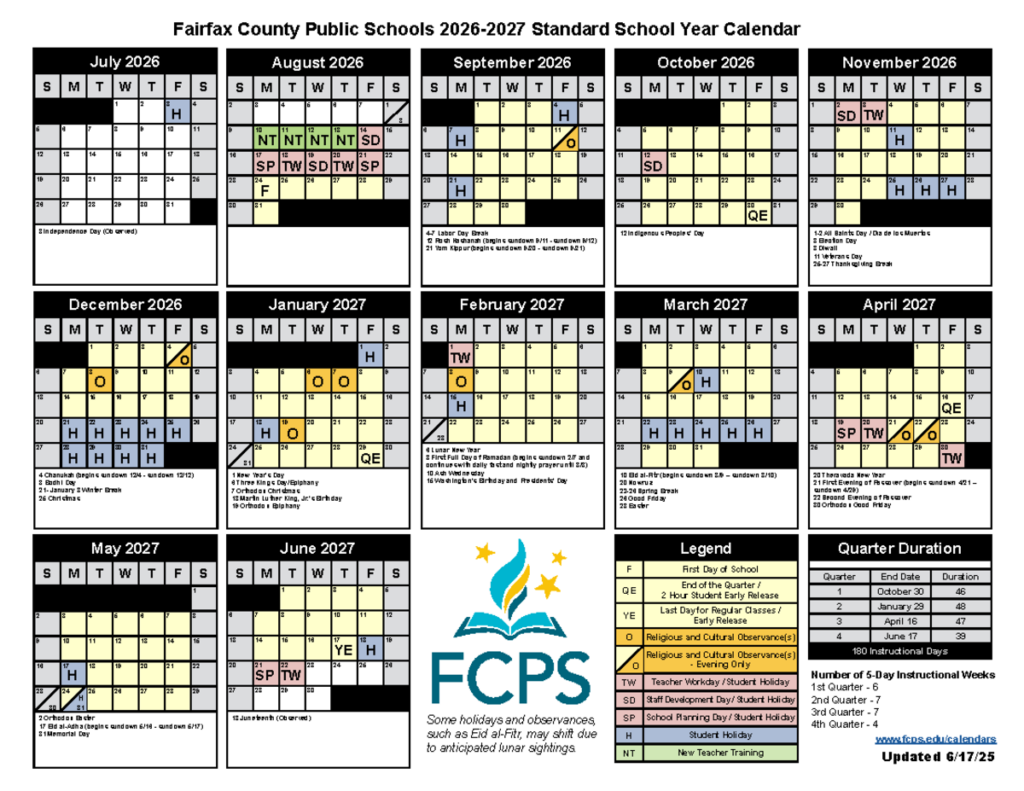
Fcps 2026-2027 Calendar offers a practical, printable way to organize a school year with clear milestones and deadlines. This guide helps teachers, students, and families plan week by week, set priorities, and stay focused on meaningful learning moments from fall through spring.
Who benefits from this resource? Nearly anyone juggling schedules inside a school year: classroom teachers lining up units, administrators coordinating events, parents planning family commitments, and homeschool families building consistent routines. The Fcps 2026-2027 Calendar is designed to be printed and used as a foundation, not a complicated system. It highlights important dates, grading windows, holidays, early release days, and parent-teacher conference blocks. You can customize it with color codes, add personal reminders, and pair it with weekly lesson plans. Start by printing a clean copy, selecting a color scheme, and marking your top three priorities for each month. If you share this calendar with students, invite them to track goals, record completion dates, and set personal checkpoints. Consider adding a one-page monthly overview for quick reference, plus a short weekly page that outlines five daily tasks. Print extras for substitutes or aides so everyone is aligned.
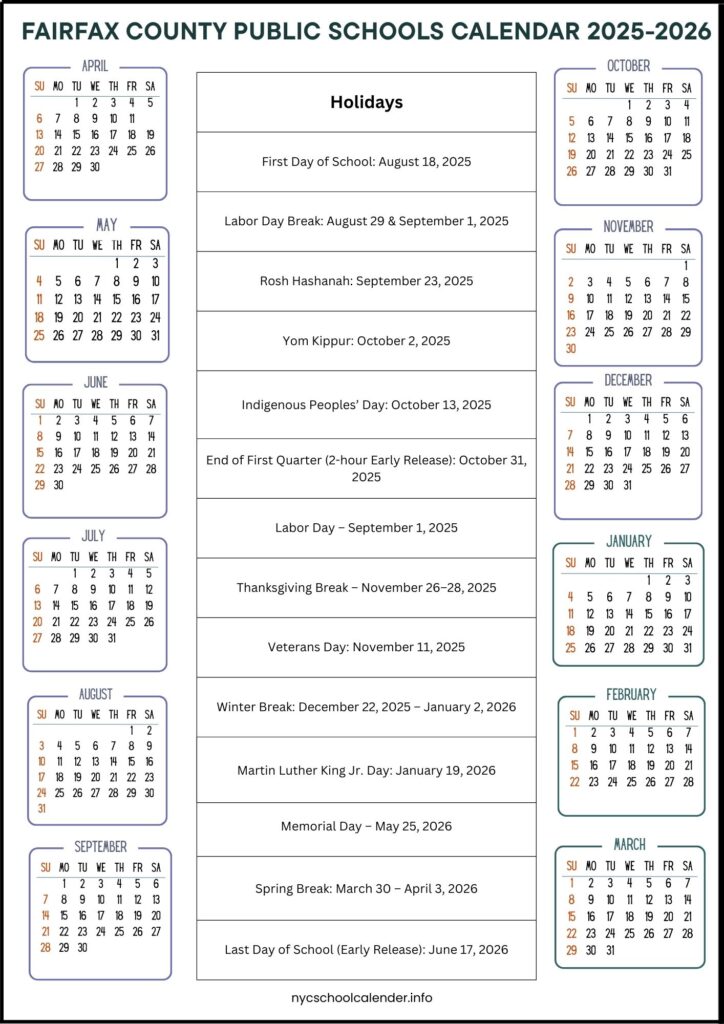
Core features
H2: Planning with Fcps 2026-2027 Calendar helps you see the big picture and the weekly heartbeat at the same time. Use it as a flexible scaffold rather than a rigid rulebook. You can print two versions: one for home and one for the classroom, then annotate with important dates and project timelines. By comparing the calendar against your syllabus and family calendar, you identify gaps, opportunities for enrichment, and time for ongoing review. Additionally, in practice, set quarterly targets and review progress at a shared staff or family check-in. Keep a small legend of symbols for holidays, early dismissals, and assemblies.
To put this into action, start by identifying the busy windows: back-to-school orientation, autumn tests, winter break, spring projects, and testing days. Then map your own routines around those anchors: weekly check-ins, grading periods, and family evenings. Use color coding for different types of days—instructional, assessment, and family time—to build quick visual literacy. When you keep a simple legend, everyone knows where to look first and you reduce last-minute scrambling. With that in place, you can pilot the calendar for a single month, then scale up as routines stabilize.
Getting started
Print on sturdy paper and laminate for reuse, so notes can be added with dry-erase markers. Bind the calendar with a simple ring binder or hang it on a wall chart to keep it visible. Create a monthly snapshot page to tape near the study area and a short weekly planning page for each student. In classrooms, align the calendar with unit objectives and assessment windows so students learn to plan their own study schedule. Finally, create a simple backup plan for days when routines shift.
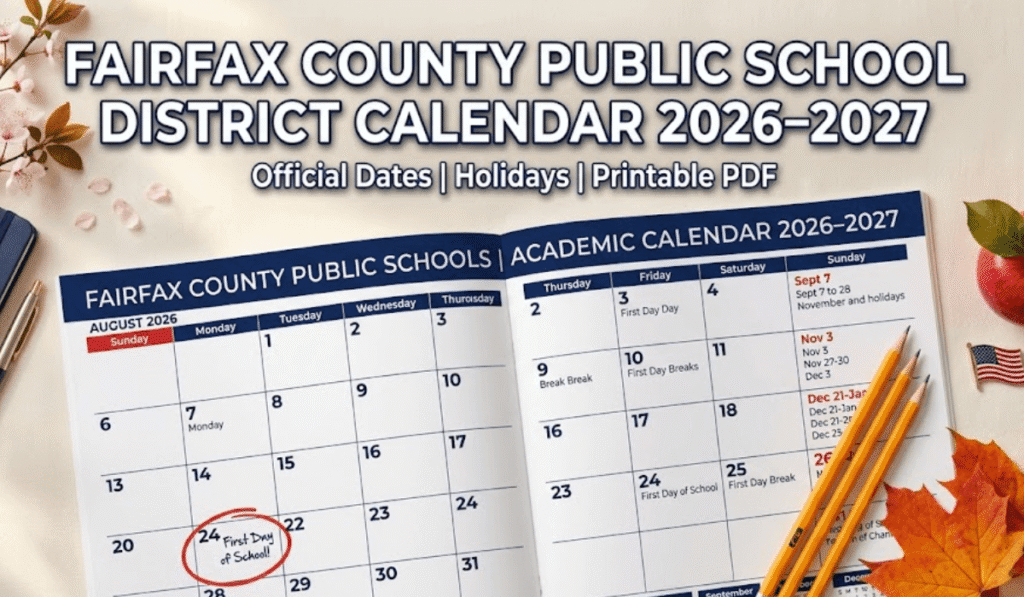
At home, families use the Fcps 2026-2027 Calendar to coordinate extracurriculars, family trips, and tutoring sessions without losing sight of homework and reading goals. In a homeschool setting, it becomes a central planning tool that integrates state requirements with daily routines, keeping progress visible. Students gain ownership as they track personal milestones, reflect on workload, and adjust plans to stay on track. This approach helps track time-on-task and supports remote or hybrid learning.
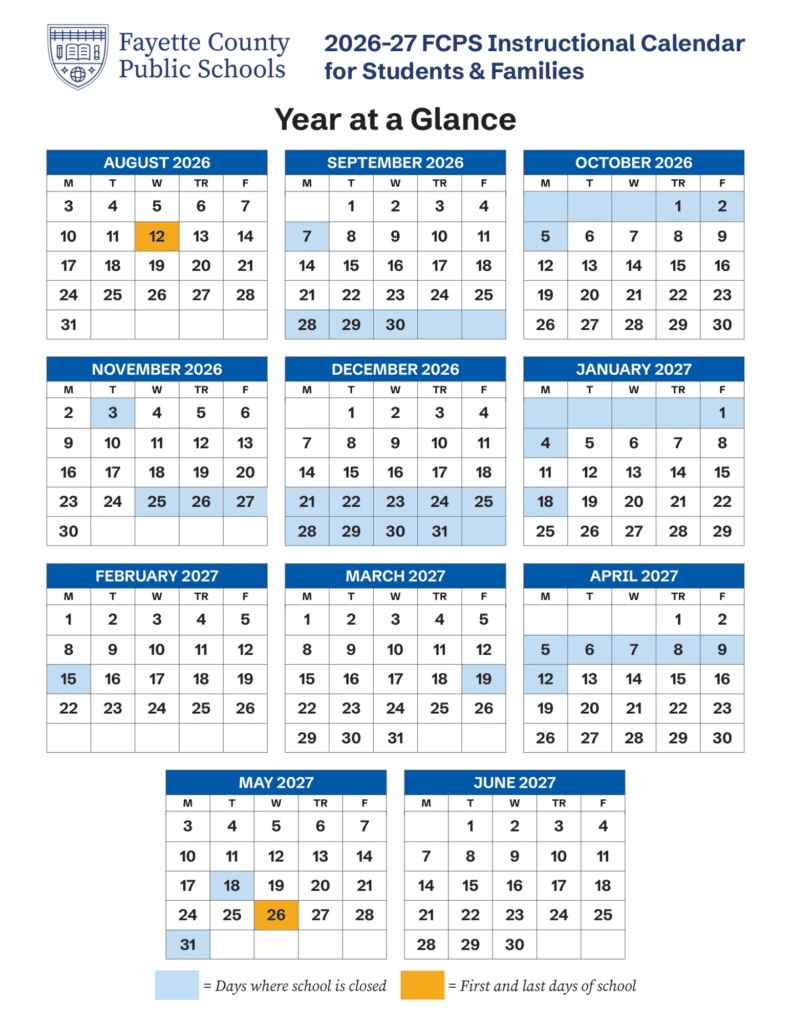
Ready to start? Print a clean copy, set up your color codes, and block out the first month with two or three nonnegotiable activities. Review the calendar weekly, celebrate small wins, and revise as needed. With consistency, Fcps 2026-2027 Calendar becomes a practical ally that keeps learning steady and purposeful. Keep a digital copy as a backup in your files in case you need to share updates quickly.