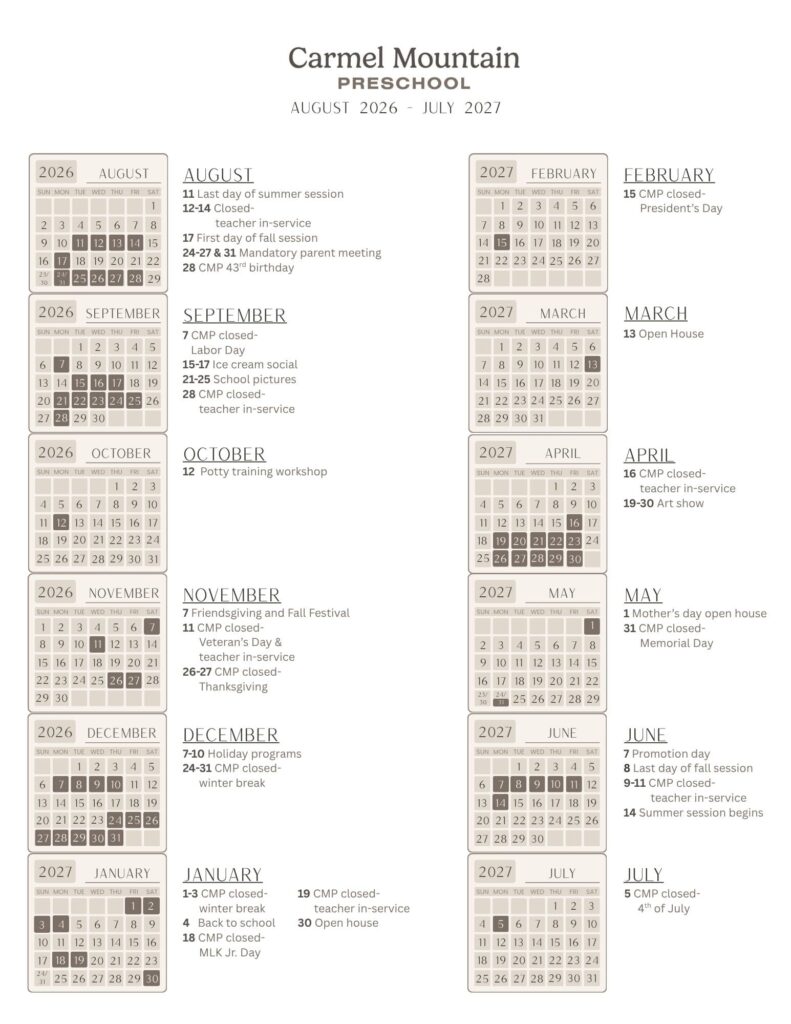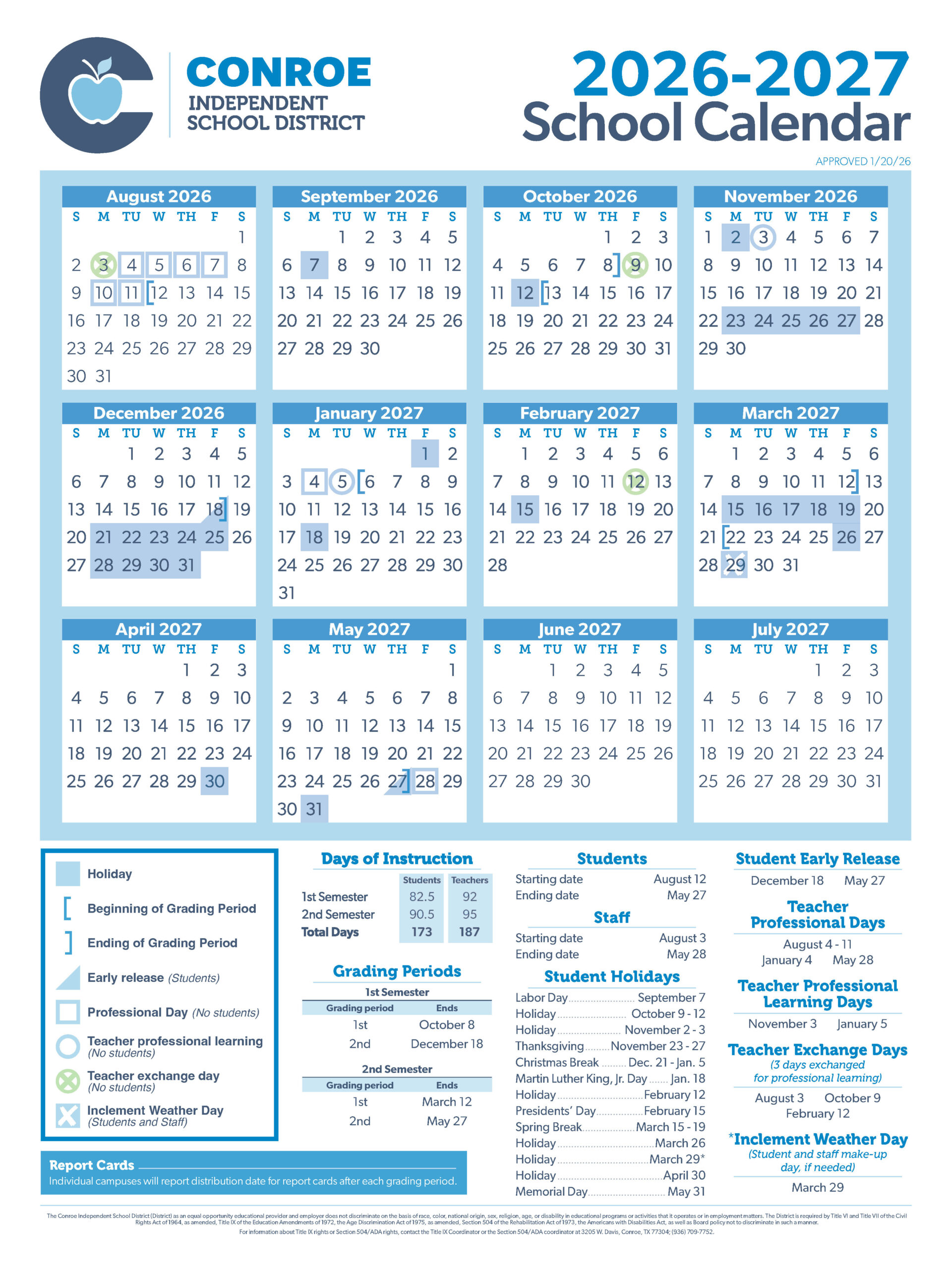
Cms 2026-2027 Calendar is more than a date grid; it's a classroom ally for teachers who plan with intention. This guide shares practical ways to print, organize, and reuse calendars to support pacing, student accountability, and smooth routines across the school year.
Think of Cms 2026-2027 Calendar as a structured scaffold for your planning conversations with students and families. It helps you map units, holidays, and assessment windows in one visible frame. When you print a copy for the board and a personal copy for your desk, you create consistency in expectations and reduce last minute scrambling.
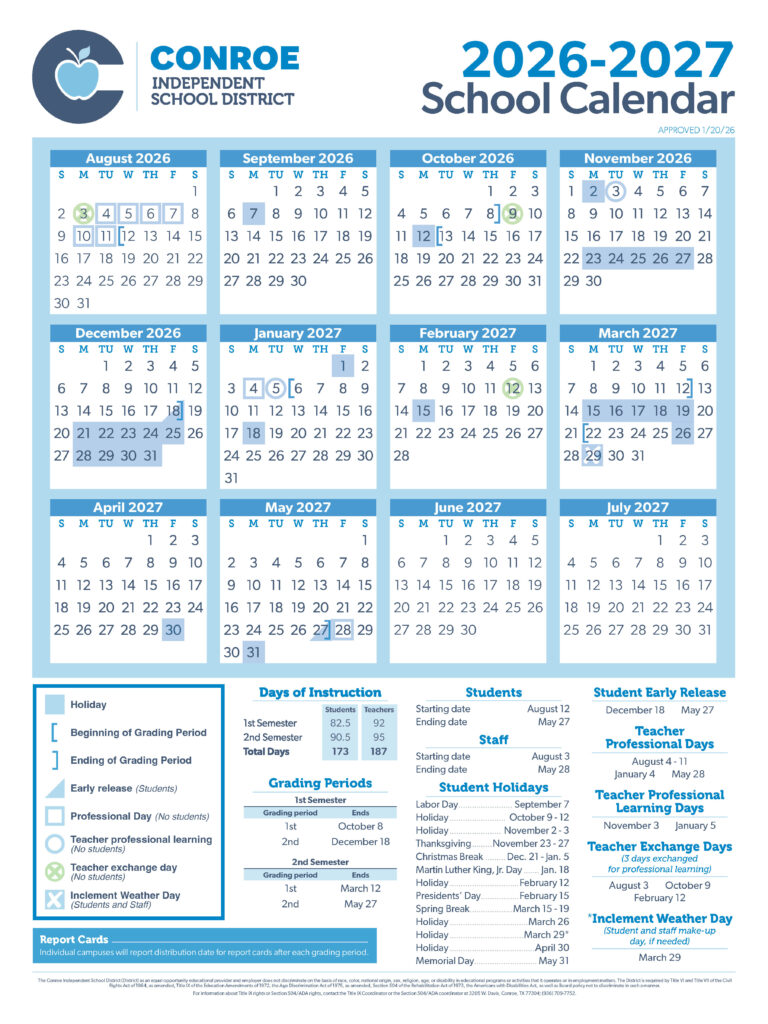
Cms 2026-2027 Calendar Essentials
In daily practice, treat the Cms 2026-2027 Calendar as a living document rather than a static printout. Laminate a master sheet and post it where students can see it, while students create personal planners for home use and future projects. Color-code by subject or by cohort, and add a legend so substitutes can follow along during absences. Use it to anchor weekly objectives, record due dates, and celebrate milestones with small, visible rewards. When teachers model updating the calendar with students, asking for input, adjusting dates together, and reflecting after busy weeks, they model responsible ownership of time and task management. This habit supports smooth transitions between activities and reduces confusion during high-intensity periods like state assessments or project launches.
Beyond classroom walls, Cms 2026-2027 Calendar fits homeschool routines and collaboration with parents. Families can print a shared calendar for subjects and extracurriculars, then mark practice days, library trips, and field experiences. For new teachers, a ready-to-use template saves prep time while preserving flexibility; you can adapt it to your district calendar, time blocks, or block scheduling. Encourage students to track their progress with simple checklists tied to dates, and invite them to set weekly goals. When accountability becomes visible, students learn to plan ahead, organize materials, and reflect on what worked after each term. The calendar also serves as a quiet communication tool between home and school, reducing misunderstandings and supporting consistent expectations.
Hands-on Uses
Practical activities bring Cms 2026-2027 Calendar to life in the classroom. Have students draft a monthly calendar as a writing activity, then compare their version to your master calendar. Use color-coded trackers for reading, math, and science ambitions, and let students place small stickers on completed tasks. Place a weekly reflection prompt on the calendar wall: 'What did I finish this week?' To foster accountability and a sense of progress, offer early finishers a quick planning stretch, such as assignment previews, study guides, or a mini-lesson on time budgeting. Organize a calendar station where students rotate through tasks like updating due dates, labeling events, and creating reminders. A well-used calendar becomes a reliable reference point that supports student independence.
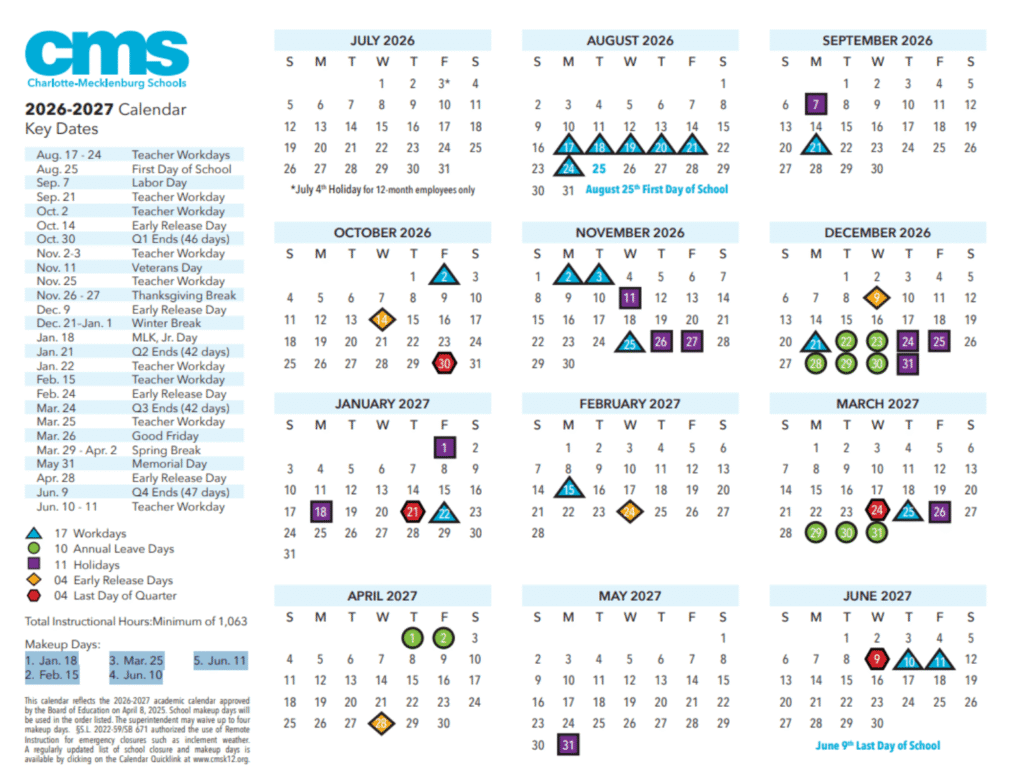
Classroom setup and home routines benefit when the Cms 2026-2027 Calendar is integrated with learning goals. Pair it with learning targets, rubrics, and a simple checklist so students can monitor mastery alongside dates. Regular check-ins with students about upcoming events boost engagement and reduce anxiety about deadlines. Use a class data wall to show progress across units, aligning dates with outcomes. When families see consistent planning, they feel confident contributing to the learning process, whether it's a parent-teacher conference or a quick at-home review.
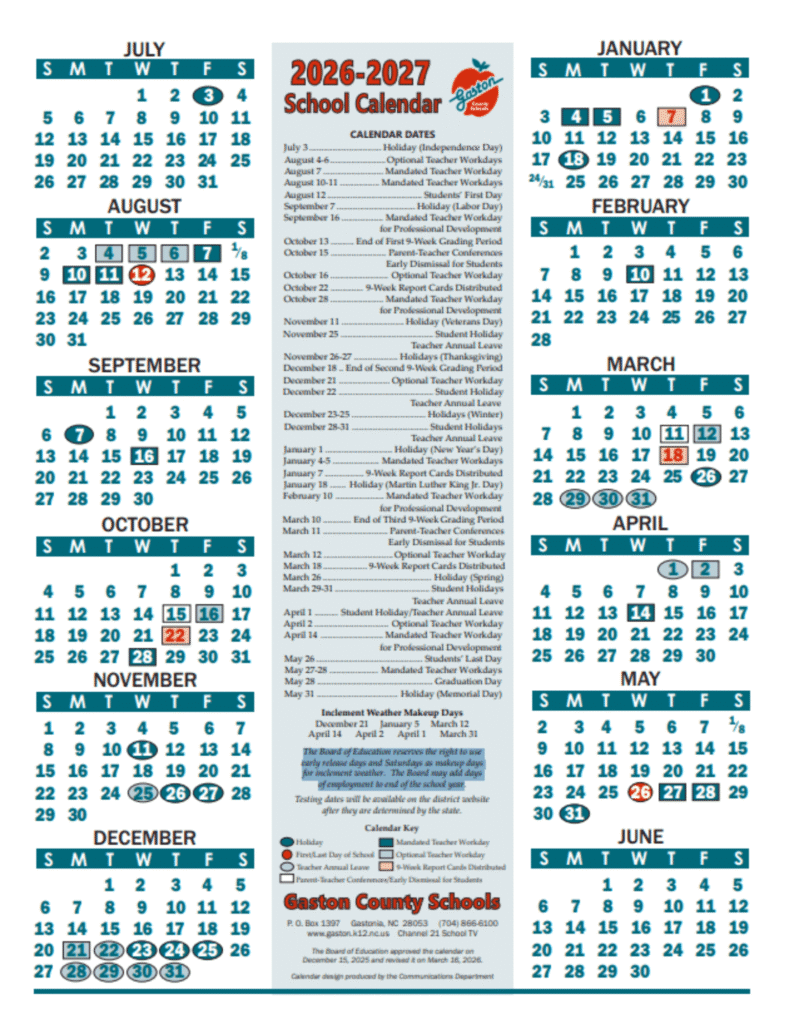
Finally, maintain flexibility. The best calendars adapt to emergent priorities and student feedback. Keep a spare copy for substitutions, and invite students to propose date-based adjustments that reflect their pace and interests. By treating Cms 2026-2027 Calendar as a collaborative tool, you transform planning from a solo task to a shared practice that supports growth, accountability, and a calmer classroom rhythm. At the end of each term, pause to note what worked, what didn’t, and what you want to adjust for the next cycle. The result is a resilient system that helps you teach with clarity and confidence.