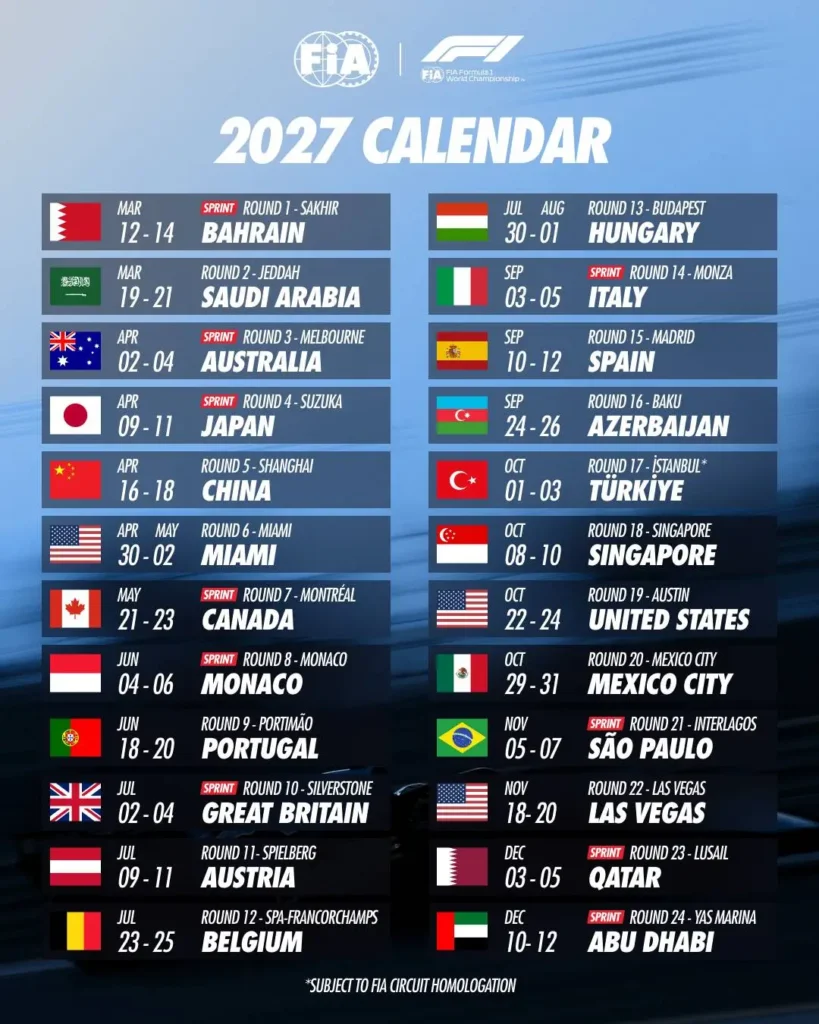
The 2027 F1 Calendar unfolds as a tactile, screen-free guide you can print, cut, and use today. This introduction highlights offline uses—from monthly milestones to racing-themed math worksheets and calm, predictable study blocks.
Behind the concept is a printable toolkit you can actually use without a screen. The resource bundle includes calendar pages that color-code race dates, driver profiles for quick reference, circuit maps that double as geography exercises, and a set of activity sheets that turn lap times into math practice. You can print, laminate, and reuse, building a durable classroom or kitchen-table system. Students can estimate pit stop durations, chart fuel usage through simple ratios, and compare circuit lengths on paper rather than in a lessons app. For groups, the pages provide a shared offline language for planning practice sessions, track days, and study blocks, so everyone agrees on the pace and the goals for every weekend of the season.
What you get
In the classroom, the 2027 F1 Calendar printable acts as a steady routine anchor. Students practice reading calendars, calculate durations between races, and plot circuits on maps. The color-coded pages turn abstract numbers into a real-world season that every learner can relate to. Pair activities with a simple write-up: explain the lap, set up a small data table, and discuss outcomes. This approach builds habit and confidence.
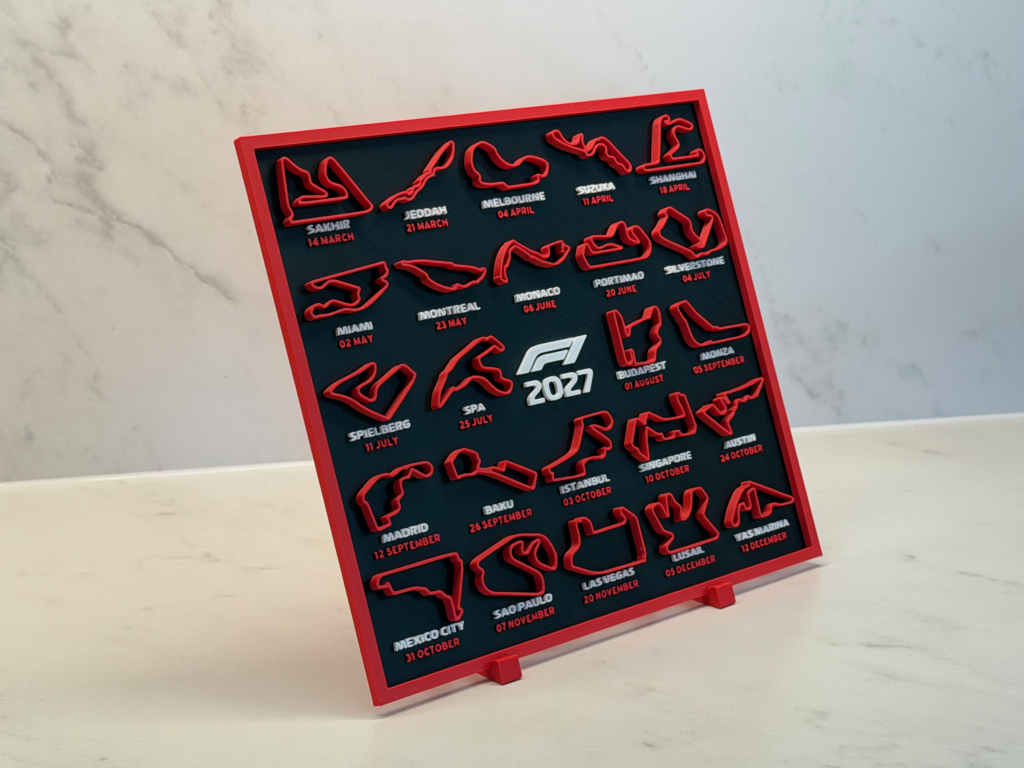
At home and in clubs, these printables become collaborative projects and practice plans. Families can schedule race-night simulations, assign roles, and track progress on a simple wall chart. Laminated copies become reusable planners that survive busy weeks and can be handed down to younger siblings. Kids can create their own driver cards and color palettes, while adults model goal setting.
Getting started
Creativity takes hold when learners personalize pages. They can color code teams, design driver cards, and craft little pit-stop reminders for quick recall games. A simple cut-and-paste activity turns a blank circuit map into a seasonal planning poster that links sports data to geography. This customization encourages reflection on what it means to prepare, practice, and improve. It also creates a bridge between physical activity and math.

Practical tips for using offline materials include choosing a compact printer size, printing in grayscale to save ink, and laminating pages for durability. Use a binder or clipboard to keep sheets flat and accessible in crowded study spaces. A small storage pouch keeps scissors, colored pencils, and blank templates ready for hands-on sessions. Before printing, measure your page layout, plan margins, and consider a single binder for the whole year.
With a few minutes at the printer, the 2027 F1 Calendar becomes a tangible, repeatable system that supports focus and learning without screens. Start by printing a basic yearly layout, then add driver profiles and a circuit map for a complete starter kit. Over the weeks, your family, classroom, or club can refine the pages, celebrate milestones, and enjoy calm, productive planning. As the season progresses, collect tiny notes, photos, and stickers to build a season scrapbook that makes the work feel like play.