The 2026-2027 Calendar is more than dates on a page – it's a doorway to organized, curious minds. This printable resource invites students to plan, color, and track goals with energy, clarity, and a touch of classroom whimsy.
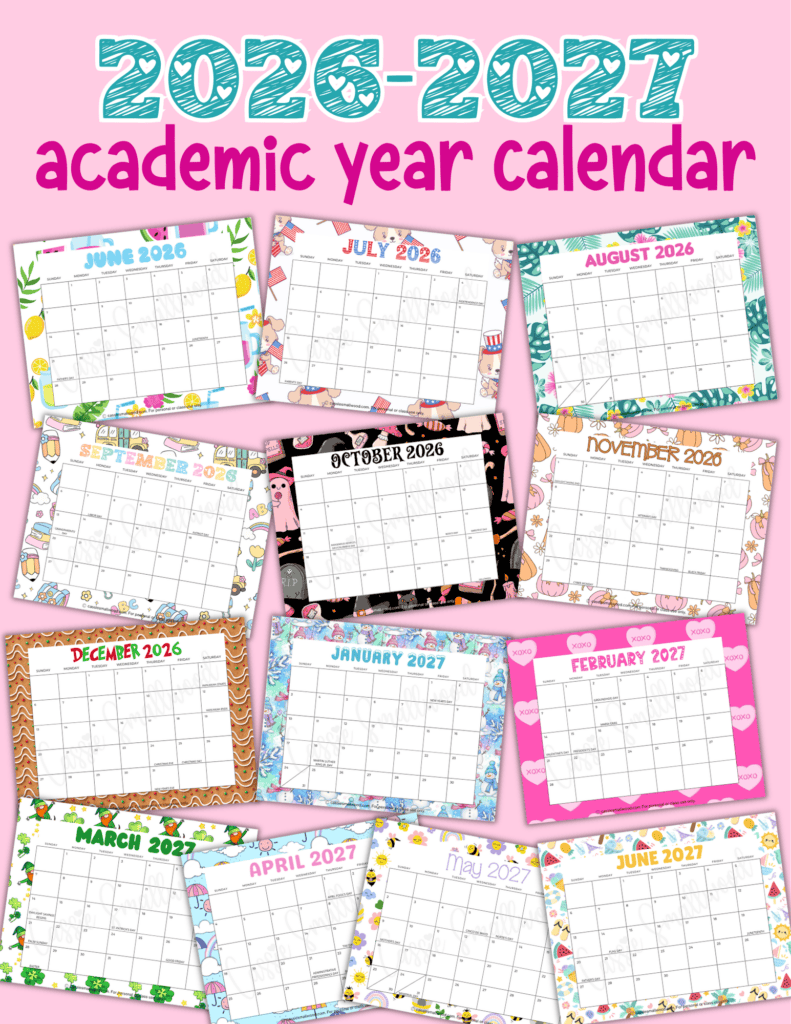
What it is: a flexible printable set that includes monthly grids, simple weekly spreads, and student-friendly checklists. It also offers habit-tracker pages, goal setting prompts, and lightweight templates you can adapt for projects, clubs, or family events. The design supports colors and simple visuals, so students can choose a color for each subject, record progress, and see a pattern emerge over time. It’s not a one-size-fits-all bundle; it's a toolbox you customize to fit the pace of your classroom, homeschool, or learning pod. Print what you need, when you need it, and keep a compact buffer in a binder or folder for quick references.
Practical Uses
In the classroom, the calendar anchors routines: morning check-ins, assignment deadlines, and math review days. It becomes a visual map of weeks; teachers can layer it with small charts for behavior, reading goals, or science labs. For homeschoolers, it doubles as a shared calendar that both students and caregivers reference during routine planning. Early learners benefit from color-coding months and adding sticker milestones, while older students can annotate margins with reflections, rate their understanding, or mark retake opportunities. Lamination allows weekly pages to be reused with dry-erase markers, turning the calendar into a durable interactive wall resource. It also supports small-group activities by providing ready-made anchor points for lesson plans.
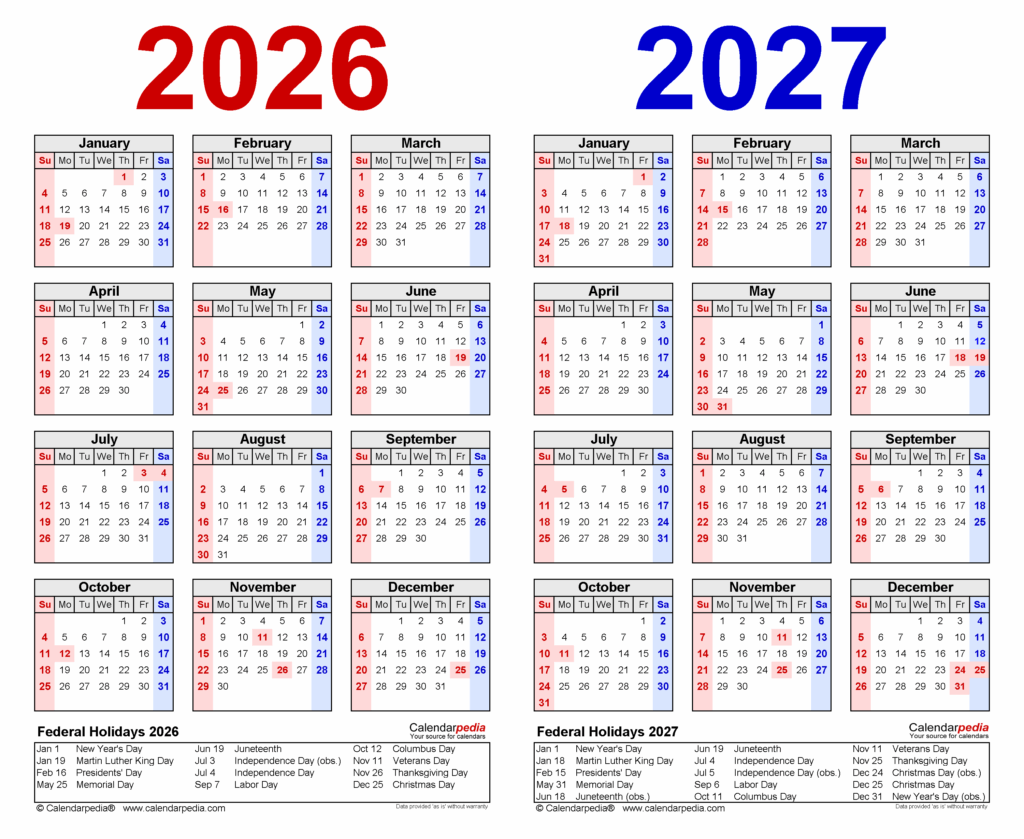
Beyond scheduling, the 2026-2027 Calendar invites creative learning: use coloring pages to illustrate each month, host a calendar-themed scavenger hunt around the house or classroom, and turn dates into quick math problems (counting days, calculating intervals, spotting prime numbers). Teachers can laminate pages to craft durable teaching aids; families can assemble a yearly binder that grows with the year, adding notes after each field trip or test. Students can keep mini journals of their goals, clip a small calendar to their desk, and narrate how the plan helps them stay organized. A simple reflection card at week's end reinforces writing skills and metacognition. This is not a rigid syllabus but a flexible framework that grows with each learner.
Getting started
Getting started is simple: print the layouts you like, then assign a color code for subjects and self-check zones. Pin the pages where students can see them – the wall, the back of the classroom door, or the inside of a binder cover. Start with a one-page monthly overview to set expectations, then gradually introduce weekly spreads as a follow-up. A quick five-minute routine each Monday builds momentum, and a short Friday reflection helps students recognize progress. If you teach multiple sections, create a shared copy and tailor it by class.
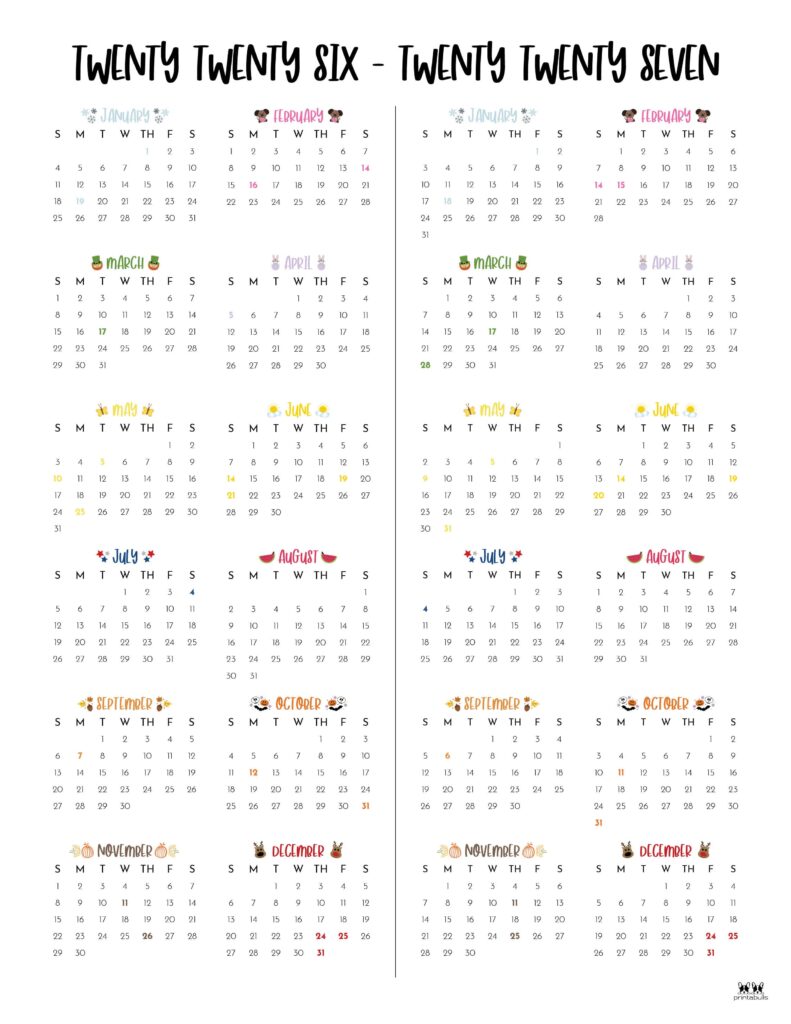
As seasons shift, this resource remains a steady partner. Update color codes for new units, note field trips and holidays, and mark assessment windows so everyone feels informed rather than overwhelmed. Use a large display in the classroom and a compact version at home – the dual presence helps families stay aligned with school rhythms. For students who benefit from tactile tools, provide cut-and-paste month cards or printable stickers to mark milestones. The 2026-2027 Calendar thrives on consistency, but it also invites experimentation: try a data table for grades, a reading log, or a simple weekly goal chart.
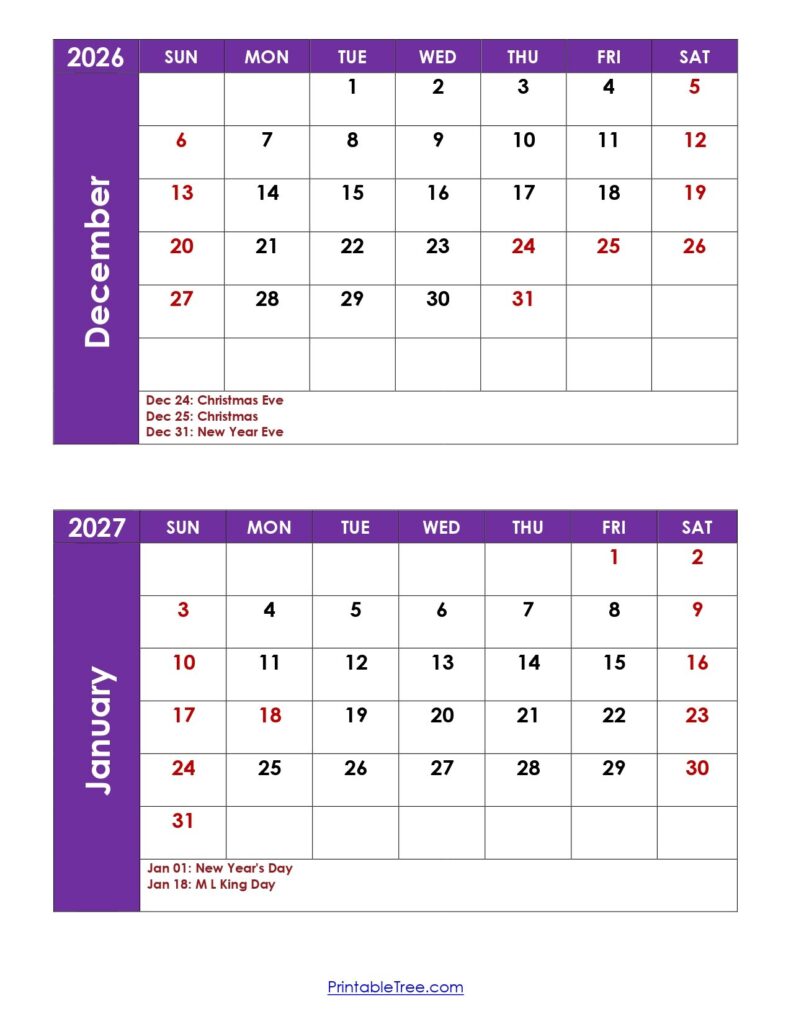
With a little planning, the 2026-2027 Calendar grows from a printable page into a living classroom companion. It invites curiosity, supports consistency, and honors individual pacing. Print one for your desk, one for the kitchen, and one for the classroom wall – then let the year unfold with purpose and play. The result is not just better organization; it’s a shared habit of noticing progress, celebrating small wins, and approaching learning with both focus and joy.