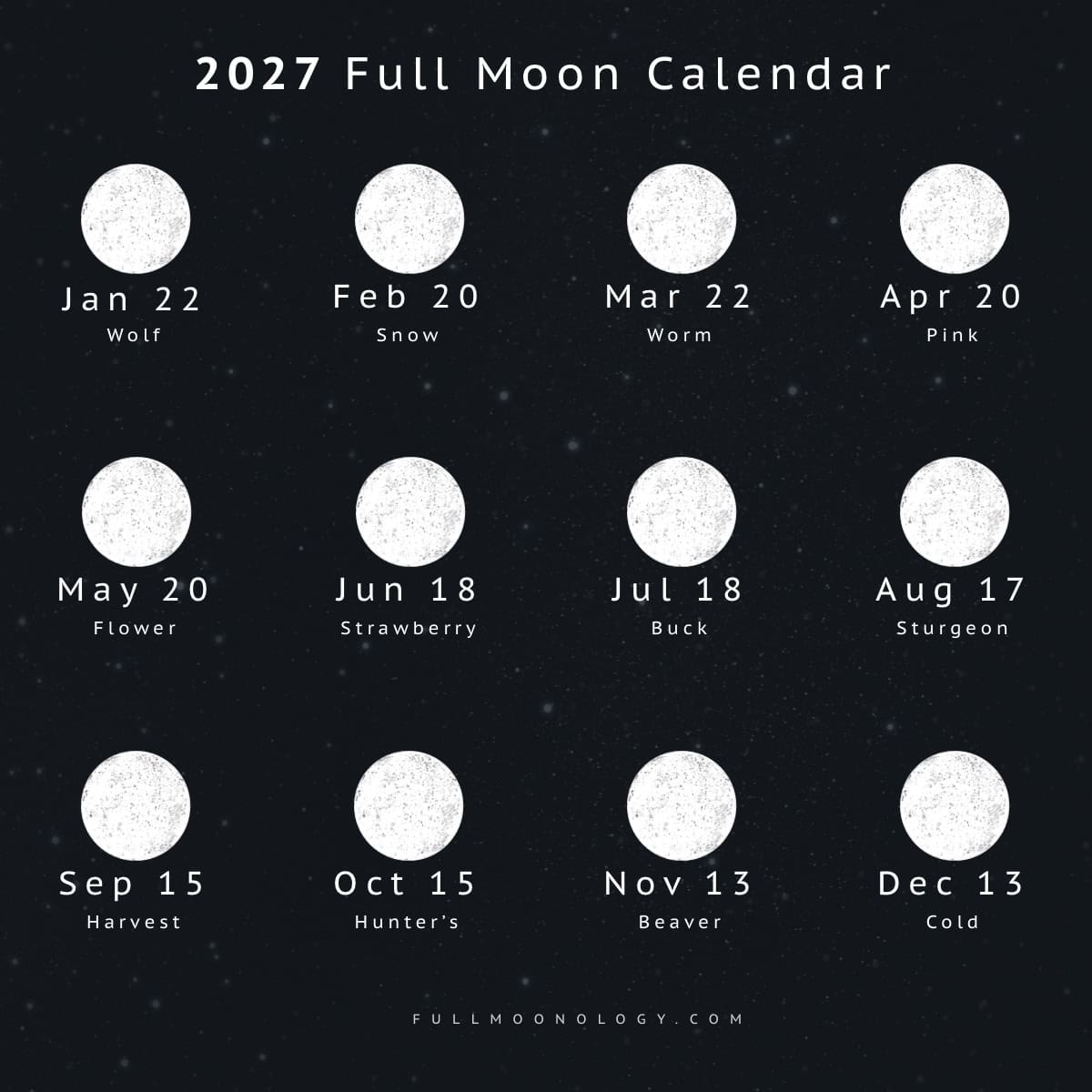
This 2027 Full Moon Calendar is a ready-to-print resource for students, planners, and dreamers. It guides you through each lunar phase with simple layouts you can customize with notes, colors, and reminders for important dates. It feels practical without losing a sense of wonder.
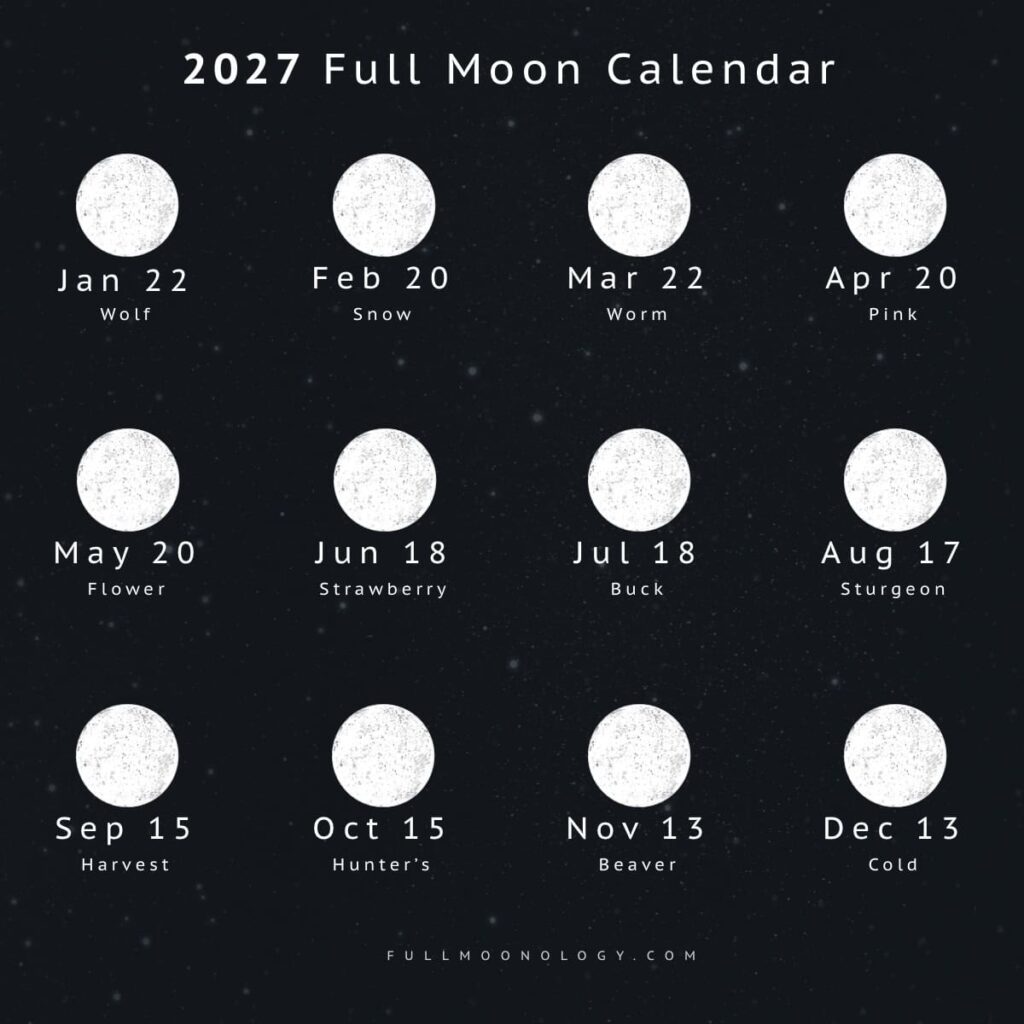
The calendar is designed for a range of uses, from homeschool planning to classroom activities. Each month page highlights the full moon dates and notable lunar events in clear language, making astronomy feel approachable rather than distant. You can print extra copies for family bulletin boards or study groups, and a simple blank section invites personal notes, reflections, or nightly sky sketches. The year view helps you notice rhythms, like when the full moon tends to rise in the evening or after midnight. This insight makes planning outdoor activities smoother and helps avoid late-night surprises. With a few minutes of note-taking, you can build a small, practical record of how the moon affects your routine. The pattern encourages consistency, turning irregular sky watches into a gentle habit you can maintain through all seasons.
Practical uses
For home use, the 2027 Full Moon Calendar can function as a meal-planning guide, a study helper, or a mindful reflection tool. Print a master sheet and create a color-coded system for mood, garden tasks, or outdoor activities tied to moon phases. The printable layout keeps you oriented when astronomy or moon lore feels both approachable and comforting. You can pair each month’s moon phase with a simple at-home project, like tracing shadows at sunset or watching for animal activity under different light. The pages are designed for quick printing and easy labeling, so you can assemble a family binder or classroom set in minutes. The approach blends practicality with a sense of exploration, making the calendar a go-to resource for weekend planning and weekday routines.
In classrooms or homeschool settings, teachers can turn the calendar into a unit on cycles, calendars, and science observation. Students can track how lunar phases relate to tides, folklore, or weather patterns, then present findings in a weekly or monthly format. The resource adapts to both structured lessons and flexible independent work. Teachers might also assign a moon-logs activity where students note weather conditions, shadows, or tides in a mirrored calendar. Parents can use it as a gentle routine to start the day, inviting a short weather check or a glance at the night sky. In group settings, this scheduling is a scaffold for collaborative projects, like planning a field trip around a full moon or coordinating a stargazing night. It also helps young readers build calendar literacy.
Classroom ideas
Beyond dates, the calendar invites creative exploration. You can add a coloring page for each phase, a small moon journal entry, or a map showing where the full moon rises in your region. Students might pair lunar phases with tides in science journals, or craft a simple observation log to bring nighttime phenomena into daylight discussions. The result is a printable tool that encourages curiosity and steady note-taking. It can be a jumping-off point for a science unit on gravity, earth tides, and folklore. By keeping the pages organized, students learn to observe and record data systematically. The act of sharing results builds communication skills as well. You can convert a month-by-month log into a simple class exhibit.
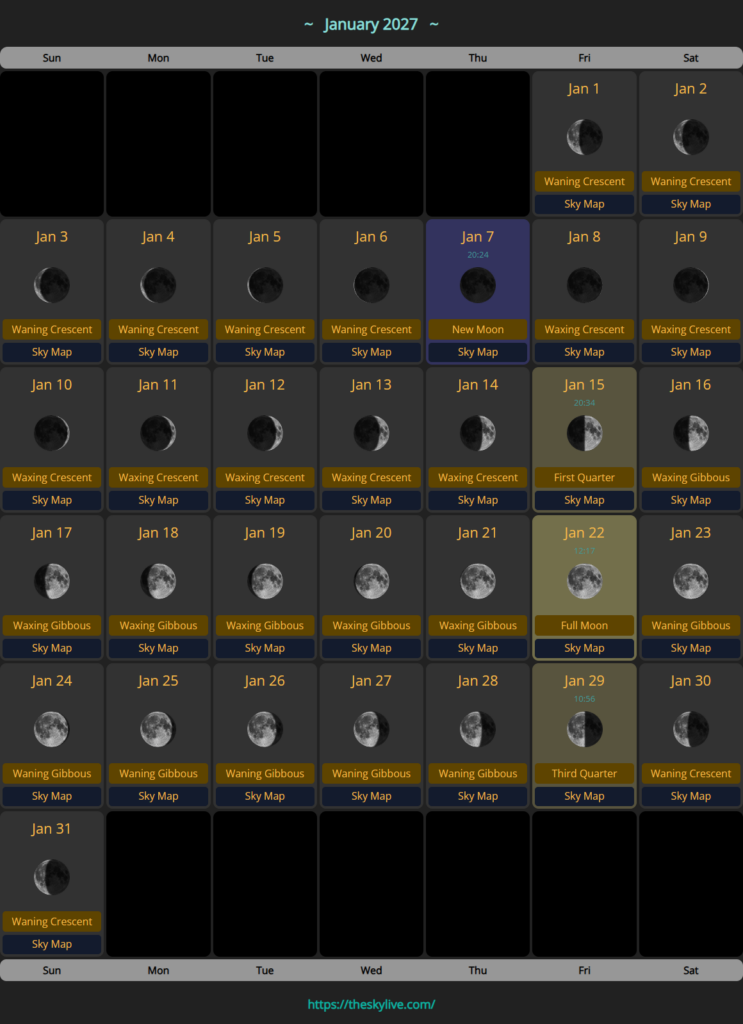
Because this resource is printable, it adapts to many settings—from busy households to after-school programs. You can print a single year view or separate pages by month for ease of use at a desk or kitchen counter. Lamination or dry-erase markers extend the life of the calendar, turning it into a reusable planning tool for science clubs, PTA events, or weekend adventures. It pairs well with science notebooks and morning meeting routines. You can customize it for school events or family nights.
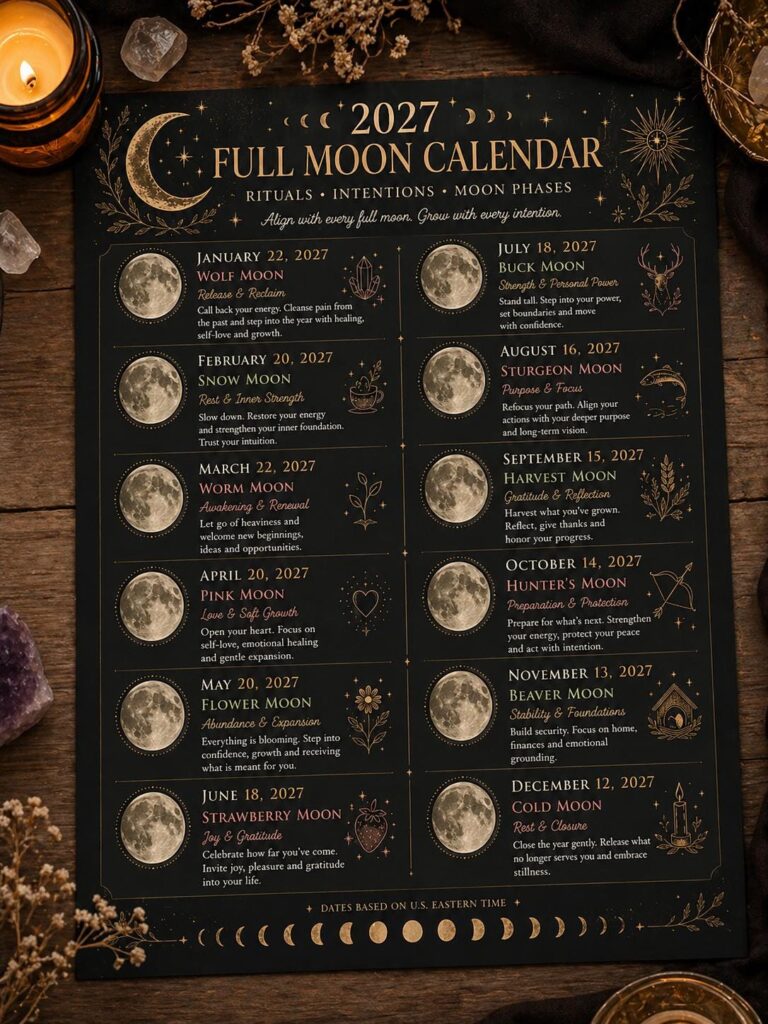
Ultimately the 2027 Full Moon Calendar is more than dates; it's a rhythm you can weave into everyday life. It helps families observe, learn, and plan without losing spontaneity. Print, share, and adapt, so the moon becomes a friendly guide rather than a distant spectator. If you want to broaden the impact, invite friends to join a small lunar-study circle that meets monthly to discuss what you observed. The habit of looking up together reinforces curiosity. It also invites gentle discussion about climate, tides, and folklore from different cultures.